
Tangkahan, North Sumatra: The Hidden Paradise of Sumatra’s Rainforest
Discover wild rivers, tropical rainforest, Sumatran elephant conservation, jungle trekking, and authentic village life on the edge of Gunung Leuser National Park.
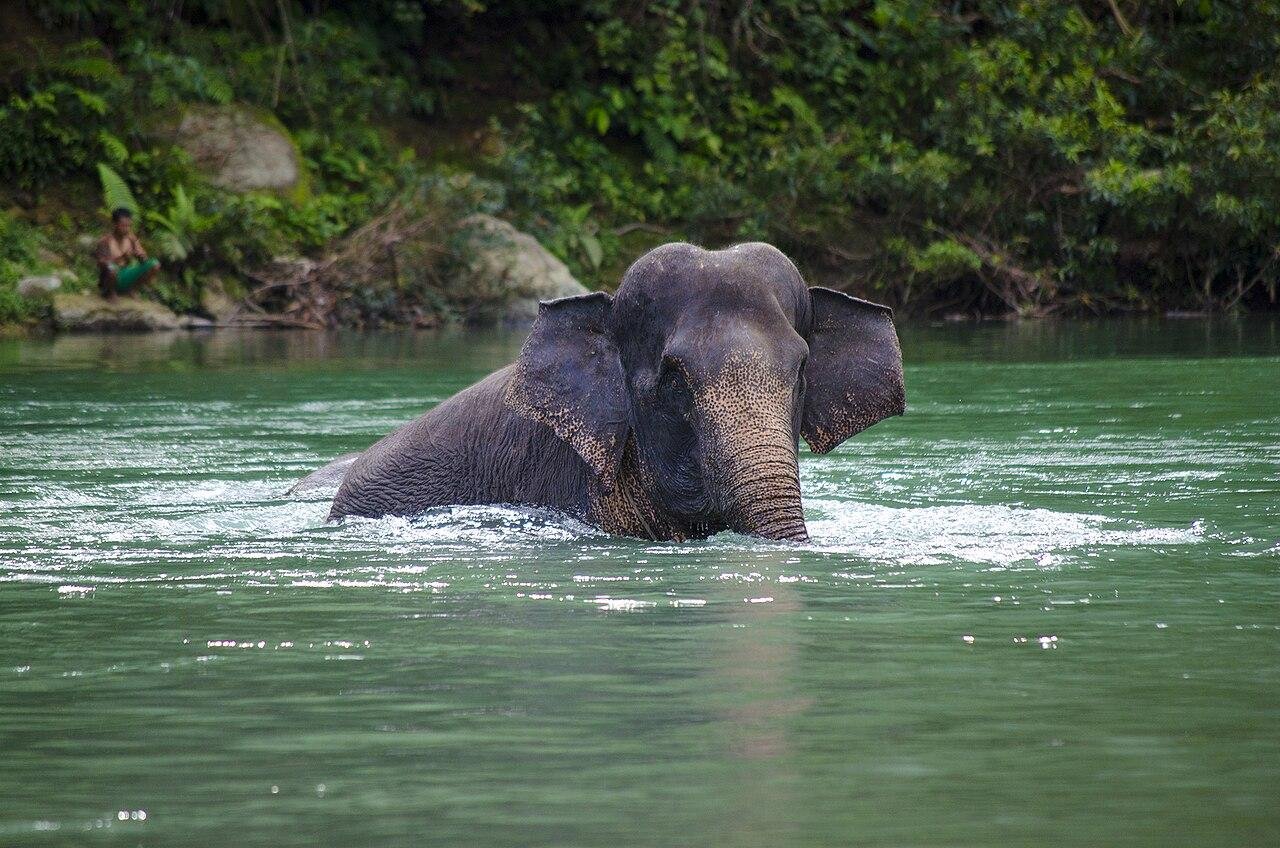
Tucked away in the lush landscapes of Langkat Regency in North Sumatra, Tangkahan is one of Sumatra’s most rewarding destinations for nature lovers and adventurous travellers. Surrounded by tropical rainforest and located near the meeting of the Buluh and Batang rivers, this peaceful destination offers a refreshing escape from busy cities and crowded tourist attractions.
Often described as a hidden paradise, Tangkahan combines rainforest exploration, river adventures, wildlife conservation, and community-based ecotourism. Visitors can follow jungle trails with local guides, swim in natural river pools where conditions permit, enjoy river tubing, explore waterfalls, and learn about efforts to protect the endangered Sumatran elephant.
What makes Tangkahan especially meaningful is its conservation story. Local communities have helped move the area away from destructive forest exploitation towards ecotourism, creating opportunities for visitors to experience the rainforest while supporting local livelihoods and forest protection.
Whether you are planning a short nature escape, a multi-day jungle adventure, or a longer journey through North Sumatra, Tangkahan offers an opportunity to experience the island’s natural beauty at a slower, more personal pace.
Where is Tangkahan?
Tangkahan is located in Namu Sialang Village, Batang Serangan District, Langkat Regency, North Sumatra, Indonesia, close to Gunung Leuser National Park. The area is known for its rainforest, river scenery, wildlife conservation initiatives, and locally operated tourism services.
Unlike destinations focused mainly on shopping or nightlife, Tangkahan is best suited to travellers who enjoy outdoor activities, peaceful natural surroundings, and meaningful encounters with local communities.
Its main attractions include:
-
Dense tropical rainforest and jungle trails.
-
Sumatran elephant conservation activities.
-
River swimming and tubing, subject to weather and river conditions.
-
Waterfalls and scenic riverbanks.
-
Guided wildlife observation.
-
Rustic accommodation and local hospitality.
-
Opportunities to learn about conservation and community-based tourism.
Tangkahan can be visited as a short getaway, but spending two or three nights allows more time for activities and a deeper appreciation of the area.
Why visit Tangkahan?
Explore a tropical rainforest
Walk beneath towering trees, discover unfamiliar plants, listen to birds and insects, and experience the atmosphere of Sumatra’s rainforest with a knowledgeable local guide.
Learn about Sumatran elephant conservation
Discover how conservation teams and elephant handlers work to protect forests and address human-elephant conflict. Choose responsible activities that put elephant welfare first.
Enjoy refreshing river adventures
Spend time beside the Buluh and Batang rivers, relax in suitable swimming areas, or try guided tubing when water levels and conditions are safe.
Discover waterfalls and hidden natural places
Explore selected forest trails, streams, and waterfalls with a local guide. Routes and access may vary depending on weather and trail conditions.
Experience authentic village hospitality
Stay in a local guesthouse or riverside lodge, enjoy Indonesian food, and spend your evenings surrounded by the sounds of the forest.
Tangkahan and Sumatran elephant conservation
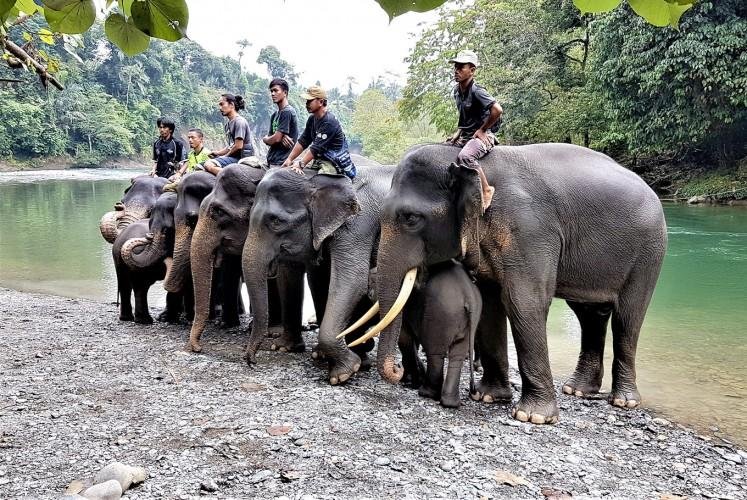
One of Tangkahan’s most recognised attractions is its association with Sumatran elephant conservation. The elephants cared for in the area are part of conservation efforts linked to protecting forests and reducing conflict between elephants and people. The local conservation model has also helped establish Tangkahan as an example of community-based ecotourism.
For visitors, learning about elephants can be an important part of a Tangkahan experience. Depending on current conservation arrangements, available activities may include educational visits, observing elephants with their handlers, or other supervised encounters.
Responsible elephant tourism
Elephants are intelligent, social wild animals with complex physical and behavioural needs. Travellers should prioritise their welfare rather than choosing an activity simply because it offers close contact.
When planning a visit:
-
Ask how the elephants are cared for and what role they play in conservation.
-
Choose operators that explain their welfare standards transparently.
-
Never approach, feed, touch, or bathe an elephant without explicit permission from its handlers.
-
Avoid riding elephants and activities that force unnatural performances or interactions.
-
Follow all instructions from conservation staff and mahouts.
Important: Activities involving elephants may change, and not every experience is available every day. Confirm current arrangements with the local conservation team before booking.
Jungle trekking in Tangkahan
For travellers who want to discover Sumatra beyond its villages and roads, jungle trekking is one of the best ways to experience Tangkahan.
Guided walks lead into a landscape of towering trees, tangled vegetation, streams, and rich tropical biodiversity. A good local guide can explain the forest’s ecology, identify plants, interpret animal signs, and help visitors understand the relationship between wildlife, habitat, and conservation.
What might you encounter?
Depending on the route, season, and luck, rainforest walks may offer opportunities to observe:
-
Birds and butterflies.
-
Insects and other small forest creatures.
-
Tropical plants, vines, and medicinal plants.
-
Signs of wild mammals.
-
Primates, potentially including orangutans or other species where present.
Wildlife sightings are never guaranteed. Animals may be difficult to spot in dense vegetation, and responsible guides should never chase, feed, or disturb them to provide photographs.
River tubing and swimming
Tangkahan’s rivers are central to its natural beauty and outdoor activities. Their clear-looking water, green riverbanks, and forest surroundings create a memorable setting for relaxation and adventure.
River tubing
River tubing allows visitors to float along a river section using an inflatable tube. When conditions are appropriate, it can be a fun way to enjoy the scenery from the water.
The experience depends on current water levels, the river’s flow, and local safety assessments. Heavy rain can cause water levels and currents to change quickly, so only participate when local guides confirm that the route is safe.
Swimming in natural pools
Some visitors enjoy swimming or cooling off in suitable river areas. Before entering the water, check the current, depth, rocks, and access points with a local guide.
River safety matters: Never swim alone, jump into unfamiliar water, or enter the river during dangerous currents or after heavy rainfall. Follow local instructions and use appropriate safety equipment for guided activities.
Waterfalls, caves, and rainforest scenery
Beyond the main river areas, the wider Tangkahan landscape includes rainforest trails, waterfalls, streams, and other natural features that can be explored with local guides. These places provide opportunities for photography, nature observation, and quiet moments away from the village.
Some locations may require longer walks, river crossings, or travel over slippery ground. Access can change with the season, and not every attraction is suitable for every visitor.
For the best experience, arrange a guided route that matches your available time and fitness level. If waterfalls or caves are a priority, ask your guide which locations are currently accessible and whether any special equipment or permits are needed.
Wildlife and biodiversity in Gunung Leuser’s rainforest
Tangkahan sits beside one of Sumatra’s important rainforest landscapes. The wider Gunung Leuser ecosystem supports remarkable biodiversity, including primates, birds, insects, reptiles, and many plant species.
For nature lovers, the value of visiting is not limited to spotting famous animals. It is also about experiencing the habitat that supports them: the layered canopy, forest floor, flowing streams, and complex relationships between species.
Wild orangutans and other mammals are not guaranteed sightings in Tangkahan. Visitors should appreciate the forest even when wildlife remains hidden and keep a respectful distance from any animal encountered.
Responsible wildlife observation
-
Keep noise low and maintain a respectful distance.
-
Never feed wildlife or try to attract animals with food.
-
Do not touch wild animals or collect plants, insects, or other forest material.
-
Follow the instructions of authorised guides.
-
Carry rubbish out of the forest and avoid disturbing animal habitat.
These practices help keep wildlife wild and reduce the impact of tourism on fragile ecosystems.
Community-based ecotourism and local culture
Tangkahan’s tourism story is as important as its scenery. The area has been associated with a community-led shift away from illegal logging towards protecting the rainforest and developing tourism-related livelihoods. Local tourism initiatives and conservation work helped establish the destination’s identity.
Visitors can contribute to this model by booking local guides, staying in locally operated accommodation, eating at local establishments, and purchasing locally made products where available.
What visitors can experience
-
Meet local guides and learn about their work.
-
Enjoy Indonesian and North Sumatran dishes.
-
Learn about village life and forest conservation.
-
Stay in a small guesthouse or eco-lodge.
-
Support local businesses through responsible tourism.
A visit becomes more meaningful when travellers take time to listen, learn, and understand how conservation and local livelihoods are connected.
Accommodation in Tangkahan
Accommodation in Tangkahan generally suits visitors looking for a nature-focused stay rather than a large resort experience. Options include simple guesthouses, rustic bungalows, and lodges near the river or village.
Expect a more relaxed, rural atmosphere. Facilities vary by property, so confirm hot water, air conditioning or fans, Wi-Fi, electricity, meal availability, and payment options before arrival.
Some properties are basic and may be affected by weather or local infrastructure conditions. Booking ahead is sensible during busy periods and when you require a particular room type.
How to get to Tangkahan
Tangkahan is reached by road from Medan and other parts of North Sumatra. The journey takes you away from the city into rural landscapes, plantations, villages, and forested areas.
The Tangkahan ecotourism website estimates around a three-hour drive from Medan, although actual travel time depends on traffic, weather, road conditions, and the starting point. Allow additional time when travelling from the airport or arranging onward connections.
From Medan
The most convenient option for many international visitors is a pre-arranged private car with a driver. This provides flexibility for luggage, stops, and arrival time.
Other possibilities include public or shared transport for parts of the journey, followed by local transport. These options may require more planning and can be less convenient if you have limited time.
From Kualanamu International Airport
If you arrive by air, arrange a direct transfer or a carefully planned connection to Tangkahan. Confirm the pickup point, total price, expected journey time, luggage arrangements, and whether the driver will take you all the way to your accommodation.
Road and transport advice
-
Confirm road conditions with your driver or accommodation shortly before departure.
-
Avoid relying on the shortest online travel-time estimate.
-
Plan to arrive during daylight where practical.
-
Carry some cash for small purchases and places that do not accept cards.
-
Arrange return transport in advance if you have a fixed departure time.
Frequently asked questions about Tangkahan
Is Tangkahan worth visiting?
- Yes, especially if you enjoy tropical rainforest, river scenery, guided nature walks, and conservation-focused travel. It is a good choice for visitors seeking a quieter alternative to more developed tourist destinations.
How many days should I spend in Tangkahan?
- One day offers a short introduction, but one or two nights are more comfortable. Two or three nights allow more time for trekking, river activities, and relaxation.
How far is Tangkahan from Medan?
- The drive is commonly estimated at around three hours, but traffic, weather, road conditions, and your exact starting point can make the journey longer
Can I see wild orangutans in Tangkahan?
- It is possible to encounter wildlife in the wider rainforest, but orangutan sightings are not guaranteed. If seeing orangutans is a priority, consider adding a guided rainforest trek in Bukit Lawang to your itinerary.
Can I swim in the rivers?
- Swimming may be possible in designated or locally recommended areas when conditions are safe. Always ask a local guide first, especially after rain, when currents and water levels can change rapidly
Can I visit Tangkahan with children?
- Families can enjoy the village, nature, and selected guided activities, but suitability depends on the child’s age, mobility, weather, and river conditions. Choose easy routes and follow safety advice carefully.
Is Tangkahan suitable for solo travellers?
- Yes. Solo travellers can arrange accommodation and guided activities locally. Booking a guide for forest walks and arranging transport ahead of time can make the trip easier and safer.
Do I need a guide?
- A local guide is strongly recommended for rainforest trekking, river activities, and visits to natural attractions. For routes inside or associated with the national park, confirm applicable rules, permissions, and fees before travelling.
What is the best month to visit?
- June to September is often described by local tourism sources as a relatively less rainy period, but rainforest weather can be unpredictable. Check the forecast and river conditions before booking outdoor activities