
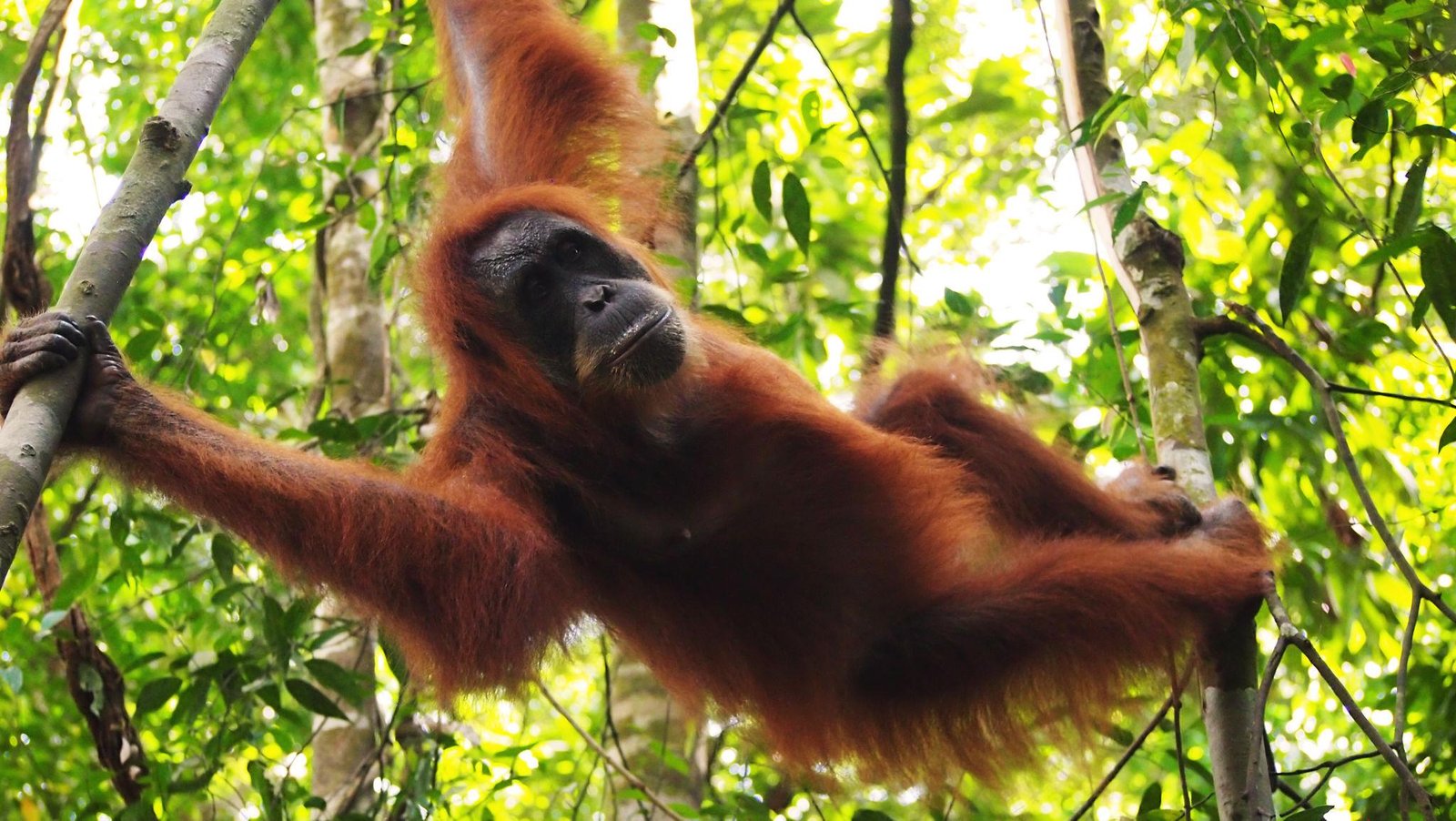
Bukit Lawang, North Sumatra: The Ultimate Rainforest and Orangutan Adventure
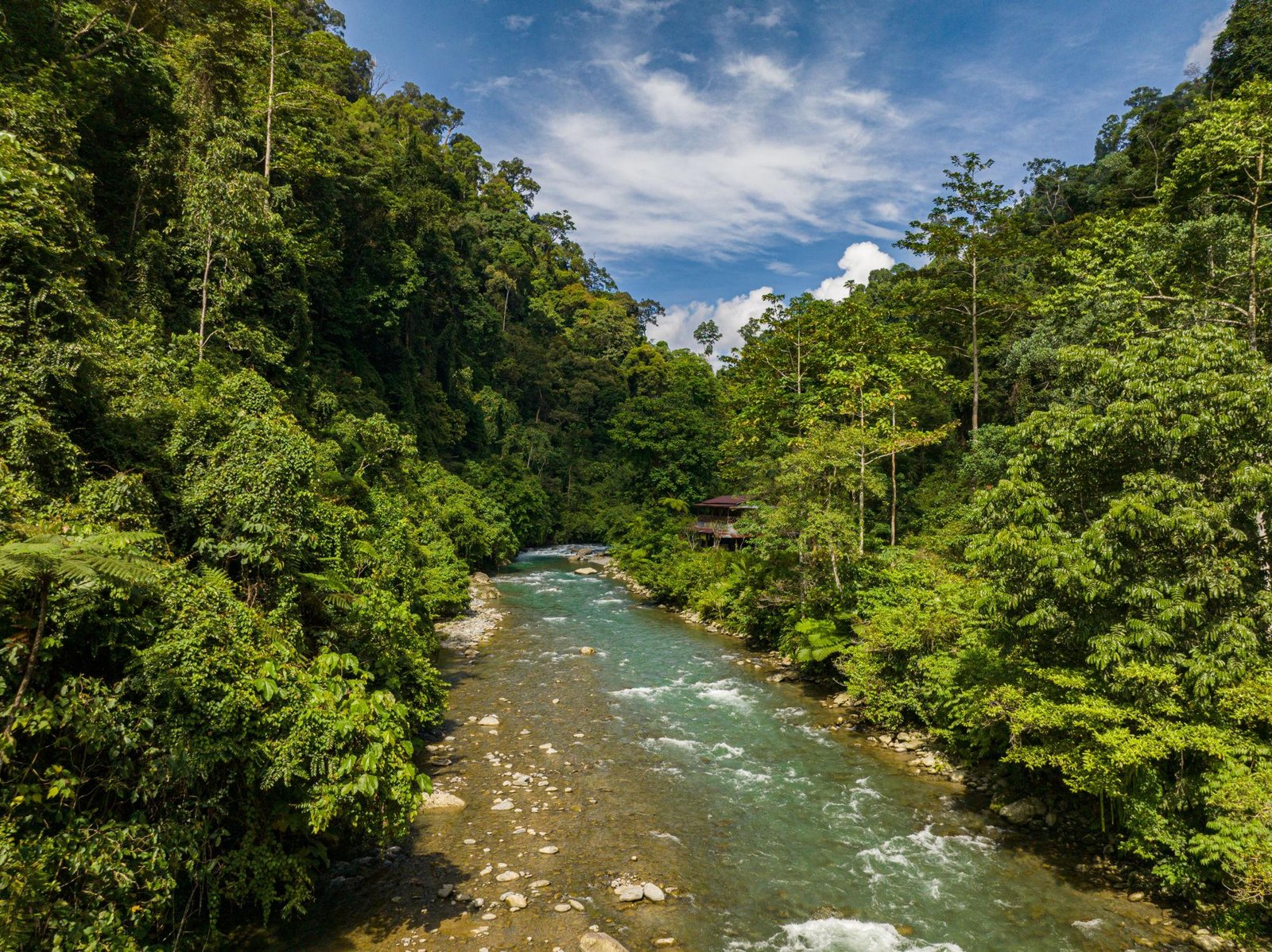
Welcome to Bukit Lawang, a peaceful riverside village on the edge of Gunung Leuser National Park. Surrounded by lush tropical rainforest and the flowing waters of the Bohorok River, Bukit Lawang is one of Indonesia’s best-known destinations for travellers seeking a close connection with nature.
Famous for its guided rainforest trekking and opportunities to observe Sumatran orangutans in their natural habitat, Bukit Lawang offers much more than wildlife watching. Visitors can explore jungle trails, listen to the sounds of the forest, enjoy river tubing when conditions permit, discover waterfalls, sample local Indonesian cuisine, and experience the warm hospitality of the surrounding community.
For adventurous travellers, the village is a gateway to the wider Leuser ecosystem, a globally important rainforest landscape that supports remarkable biodiversity. For those seeking relaxation, its riverside cafés, small guesthouses, forest views, and unhurried atmosphere provide an ideal escape from city life.
Whether you are planning a half-day excursion, a multi-day jungle trek, or a longer North Sumatra holiday, Bukit Lawang offers a rewarding combination of wildlife, adventure, culture, and responsible ecotourism
Where is Bukit Lawang?
Bukit Lawang is located in Bohorok District, Langkat Regency, North Sumatra, Indonesia, approximately three to four hours by road from Medan under typical conditions. The village lies beside the Bohorok River and serves as a popular gateway for visitors exploring the rainforest of Gunung Leuser National Park.
The journey from Medan takes travellers through rural North Sumatran landscapes, villages, plantations, and green countryside before reaching the rainforest surroundings of Bukit Lawang.
Its natural setting makes it an excellent destination for:
-
Orangutan and wildlife observation.
-
Guided jungle trekking.
-
Multi-day rainforest expeditions.
-
River tubing and riverside relaxation.
-
Waterfall visits and nature photography.
-
Birdwatching and biodiversity exploration.
-
Local food, village walks, and cultural experiences.
-
Community-based and conservation-focused tourism.
Bukit Lawang is suitable for independent travellers, couples, families who choose appropriate activities, wildlife enthusiasts, photographers, and adventure seekers. The level of physical challenge can be adjusted by selecting a suitable route and trek duration
Gunung Leuser National Park: A rainforest of extraordinary biodiversity
Gunung Leuser National Park is one of the principal protected areas within the wider Leuser ecosystem, an important rainforest landscape in northern Sumatra. The broader Tropical Rainforest Heritage of Sumatra was inscribed on the UNESCO World Heritage List for its exceptional biodiversity and ecological significance.
The forest contains many layers of life, from towering trees and climbing vines to ferns, insects, birds, and mammals. Its ecological importance extends far beyond tourism: intact rainforest helps sustain wildlife habitat, water systems, and the natural processes on which local communities depend.
Bukit Lawang provides visitors with an opportunity to experience this environment through guided walks and carefully planned rainforest excursions.
What makes the rainforest special?
-
Rich biodiversity: A wide variety of plants, insects, birds, and mammals inhabit the wider ecosystem.
-
Complex forest habitats: Different canopy layers create habitats for animals with different needs.
-
Wildlife conservation: Protecting the forest is essential for the survival of endangered Sumatran species.
-
Environmental education: Guides can help visitors understand the relationships between wildlife, habitat, and human activity.
The forest is not a zoo or a controlled wildlife attraction. Animals move freely, and sightings depend on season, weather, natural behaviour, and luck. A responsible visit appreciates the ecosystem even when some wildlife remains hidden
Sumatra trekking in Bukit Lawang
Gunung Leuser National Park is one of the principal protected areas within the wider Leuser ecosystem, an important rainforest landscape in northern Sumatra. The broader Tropical Rainforest Heritage of Sumatra was inscribed on the UNESCO World Heritage List for its exceptional biodiversity and ecological significance.
The forest contains many layers of life, from towering trees and climbing vines to ferns, insects, birds, and mammals. Its ecological importance extends far beyond tourism: intact rainforest helps sustain wildlife habitat, water systems, and the natural processes on which local communities depend.
Bukit Lawang provides visitors with an opportunity to experience this environment through guided walks and carefully planned rainforest excursions.
What makes the rainforest special?
-
Rich biodiversity: A wide variety of plants, insects, birds, and mammals inhabit the wider ecosystem.
-
Complex forest habitats: Different canopy layers create habitats for animals with different needs.
-
Wildlife conservation: Protecting the forest is essential for the survival of endangered Sumatran species.
-
Environmental education: Guides can help visitors understand the relationships between wildlife, habitat, and human activity.
The forest is not a zoo or a controlled wildlife attraction. Animals move freely, and sightings depend on season, weather, natural behaviour, and luck. A responsible visit appreciates the ecosystem even when some wildlife remains hidden
For many international visitors, orangutan trekking is the highlight of a trip to Bukit Lawang. Guided walks take visitors into rainforest habitat where Sumatran orangutans live alongside other wildlife.
Orangutans are highly intelligent great apes that spend much of their lives in trees. Watching one move through the canopy, search for fruit, build a resting nest, or care for its young can be an unforgettable experience.
Unlike a zoo visit, a rainforest trek offers no fixed schedule for animal encounters. Some visitors may spot orangutans relatively early, while others need to walk farther or may not see one at all. A good guide helps visitors observe wildlife responsibly without disturbing its natural behaviour.
What can you expect during a trek?
A typical guided excursion may include:
-
Meeting your guide and receiving a safety briefing.
-
Walking from the village towards the rainforest trail.
-
Learning about forest plants, animal tracks, and the local ecosystem.
-
Looking for orangutans and other wildlife from a respectful distance.
-
Taking breaks for water, photographs, and rest.
-
Returning to the village on foot or following a pre-arranged return route.
The duration and difficulty depend on the selected trek. Even a shorter walk may involve steep slopes, slippery roots, mud, and humid conditions.
Can you see wild orangutans in Bukit Lawang?
Bukit Lawang is well known for opportunities to observe Sumatran orangutans in rainforest habitat. However, sightings cannot be guaranteed because orangutans are wild animals that move freely through the forest.
Visitors should be cautious of anyone promising a guaranteed encounter or encouraging them to approach, feed, or touch an orangutan.
Responsible orangutan observation
For a better experience for both visitors and wildlife:
-
Keep a respectful distance from every orangutan.
-
Never feed wildlife or attempt to attract animals with food.
-
Do not touch or pursue orangutans for photographs.
-
Follow your guide’s instructions at all times.
-
Avoid loud noises and crowding around animals.
-
Follow any current national park rules regarding viewing distances, group sizes, and interactions.
Responsible wildlife tourism should allow animals to behave naturally, with minimal interference from people
Other wildlife in Bukit Lawang
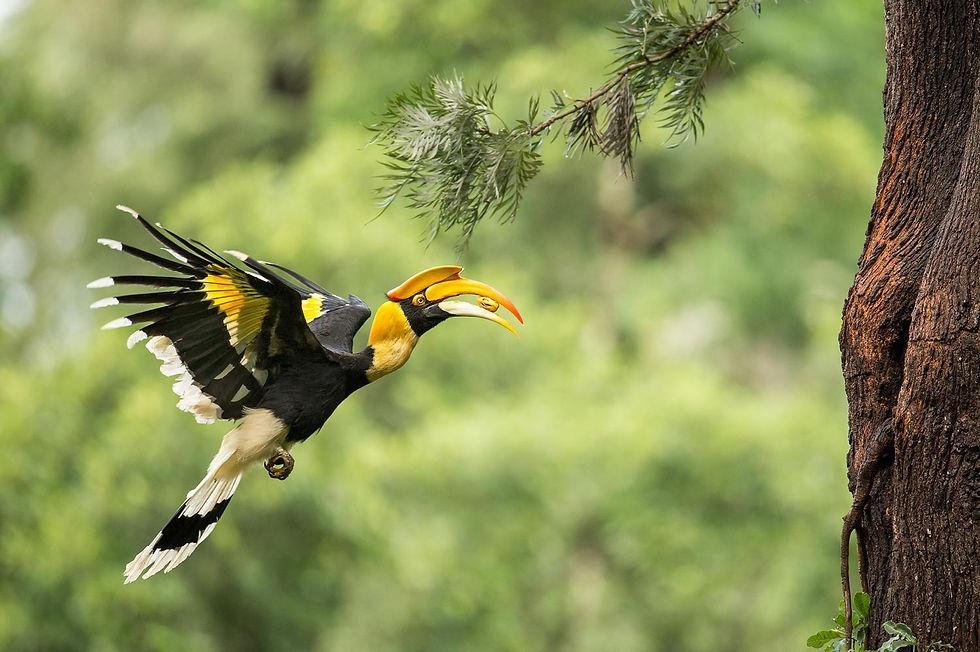
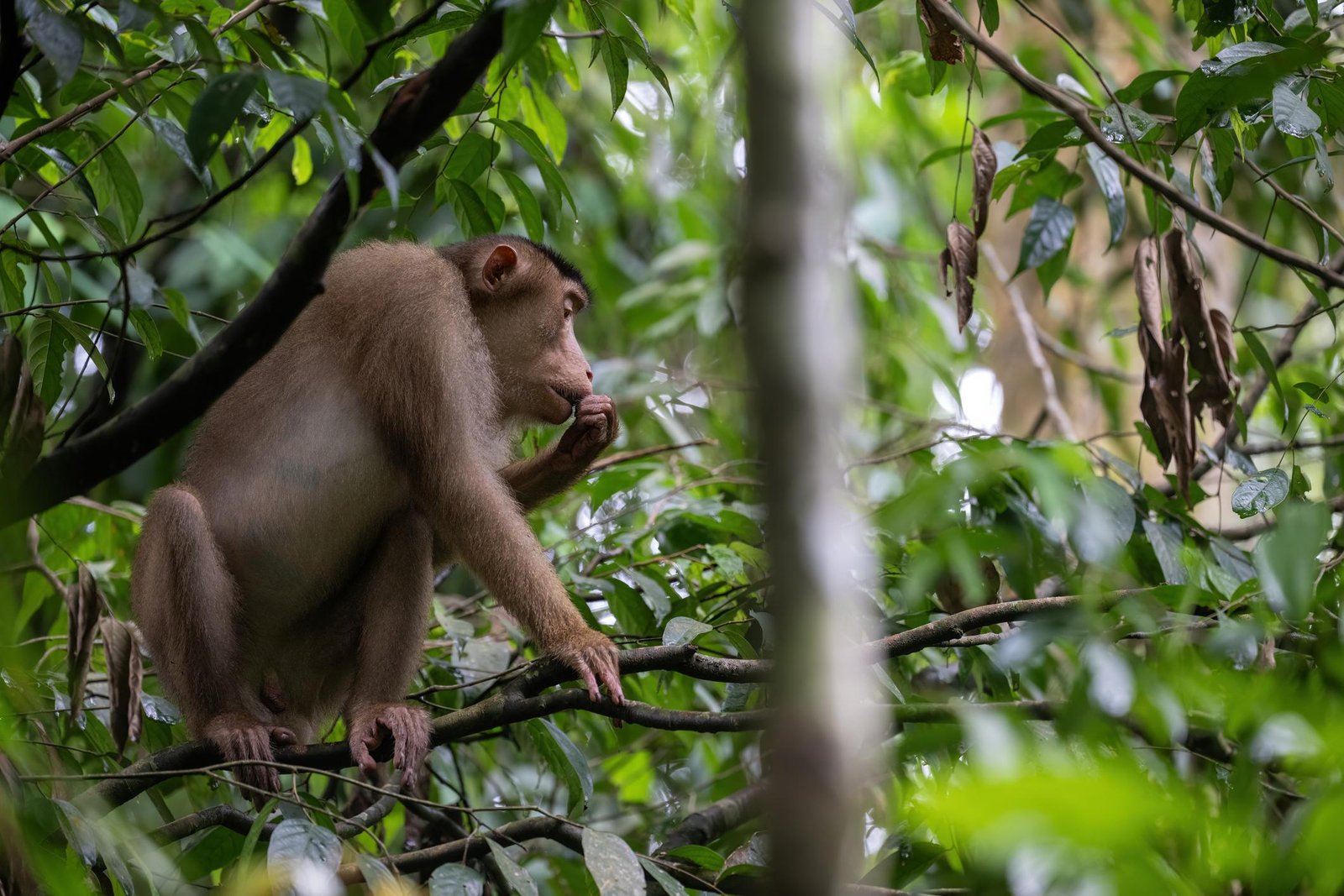
Orangutans are the most famous attraction, but the wider rainforest supports many other species. During a guided walk, you may hear birds calling above the canopy, notice insects on leaves, or see primates moving between branches.
Depending on the location and conditions, wildlife encounters may include:
-
Thomas’s leaf monkeys.
-
Long-tailed macaques and other primates.
-
Squirrels and other small mammals.
-
Hornbills and other rainforest birds.
-
Butterflies, beetles, and other insects.
-
Reptiles and amphibians, where present and visible.
The wider Leuser ecosystem is also associated with rare species such as the Sumatran tiger, Sumatran elephant, and Sumatran rhinoceros. However, these animals are elusive, and a typical Bukit Lawang trek should not be marketed as a reliable way to see them.
Wildlife observation is most rewarding when visitors appreciate the entire ecosystem rather than judging a trek solely by the number of animals seen

The Bohorok River: Swimming, tubing, and relaxation
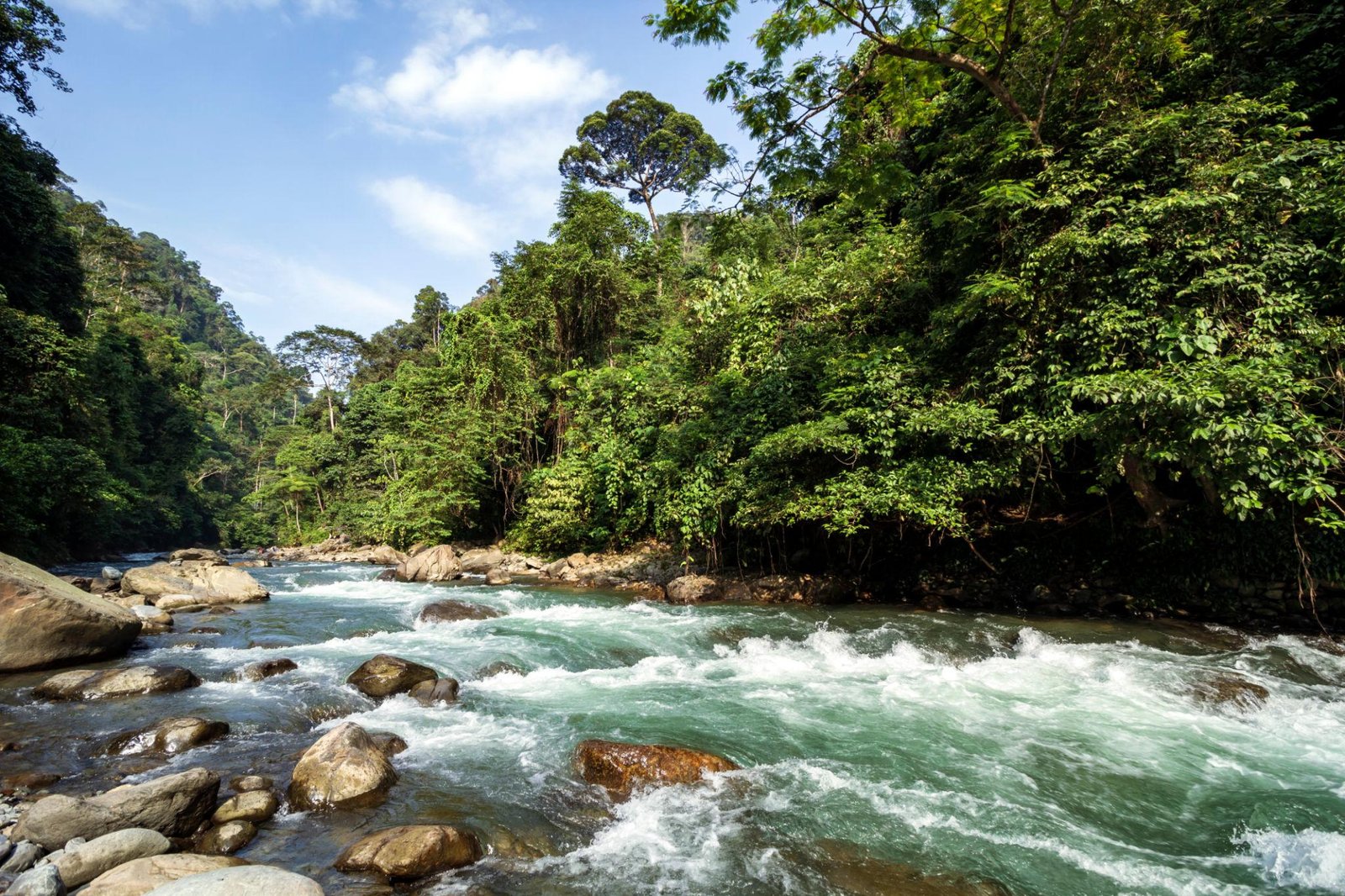
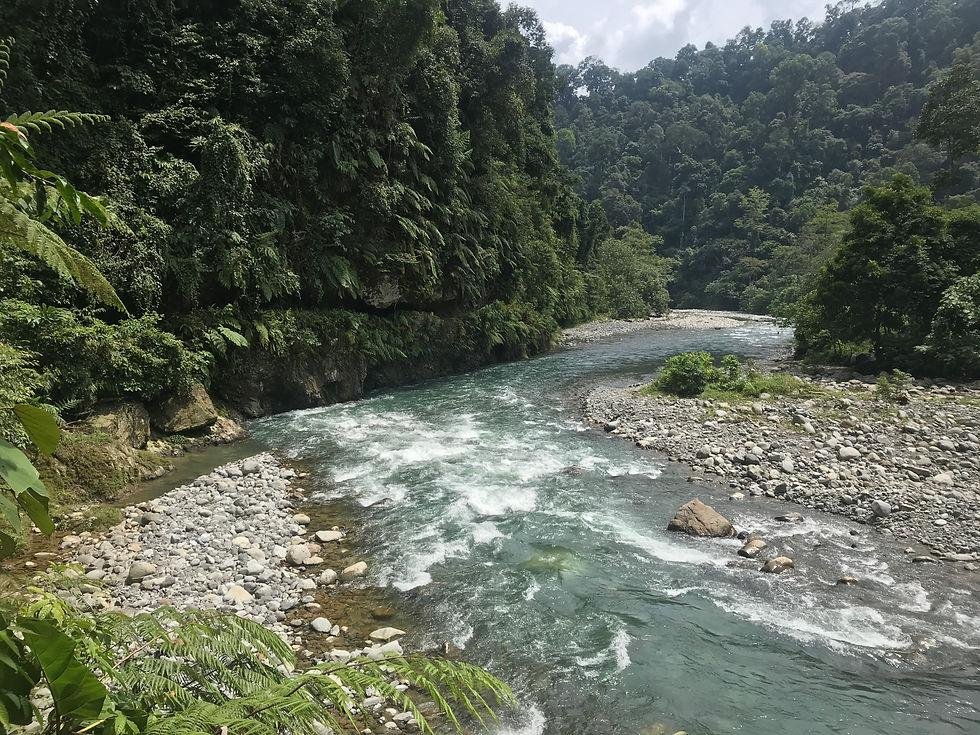
The Bohorok River runs through Bukit Lawang and is central to the village’s character. Its flowing water, rocky banks, forested hills, and riverside cafés create a beautiful setting for relaxation after a jungle walk.
River tubing
River tubing is a popular activity in the area. Participants float on inflatable tubes along a selected section of the river, accompanied by local operators when conditions allow.
The route, duration, equipment, and safety arrangements depend on the water level and the provider. Heavy rainfall can quickly change the river’s flow, so activities may need to be delayed or cancelled.
Swimming and riverside relaxation
Some visitors enjoy swimming in locally recommended areas or relaxing along the riverbanks. Always check with local guides before entering the water.
For your safety:
-
Never swim alone.
-
Avoid strong currents and unfamiliar deep water.
-
Do not jump from bridges or rocks into unknown water.
-
Stay out of the river during dangerous conditions or after heavy rain.
-
Follow local warnings and instructions.
Visitors who do not wish to swim can still enjoy riverside walks, photography, cafés, and the peaceful sound of flowing water.
Waterfalls and nature walks
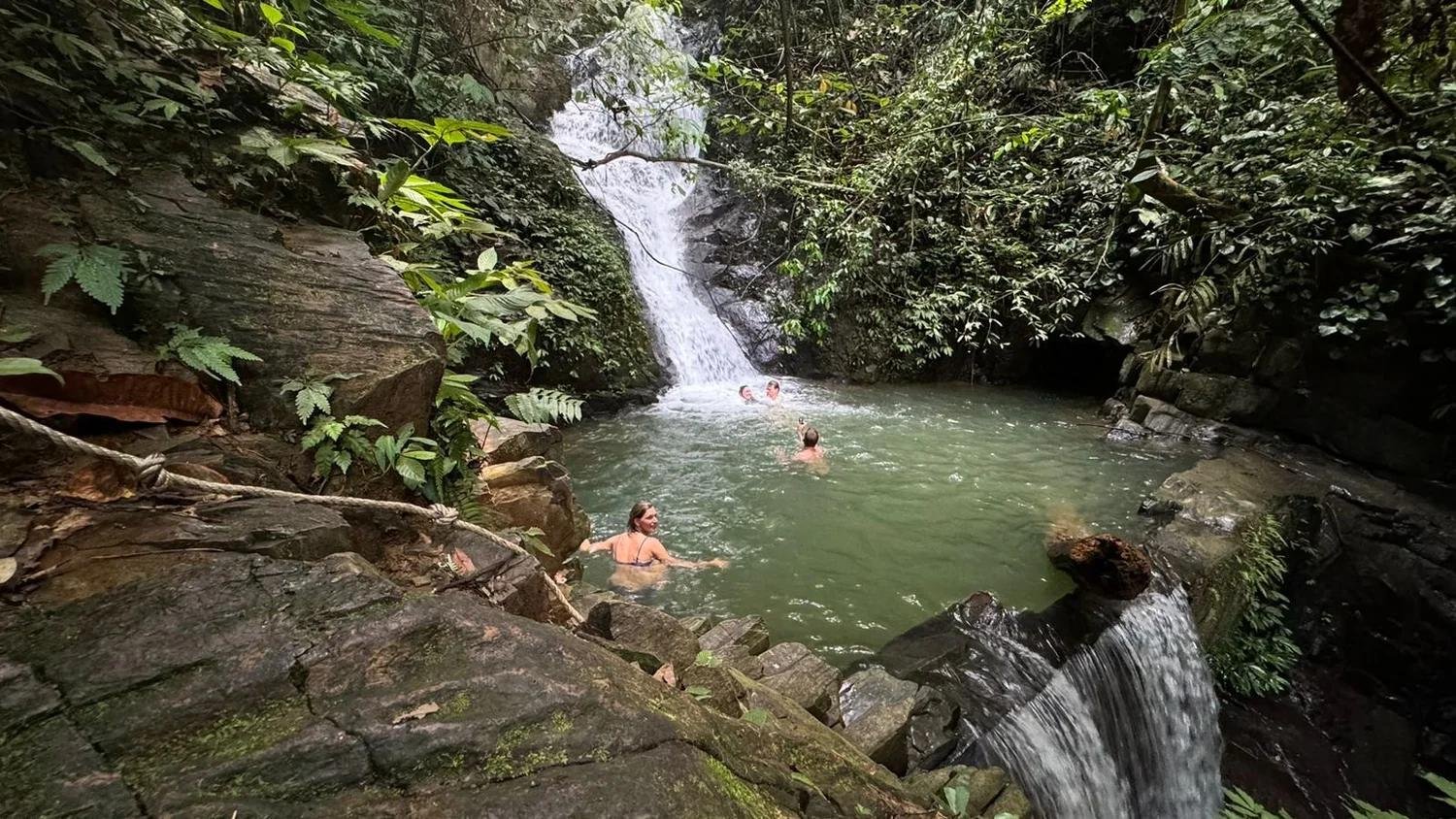
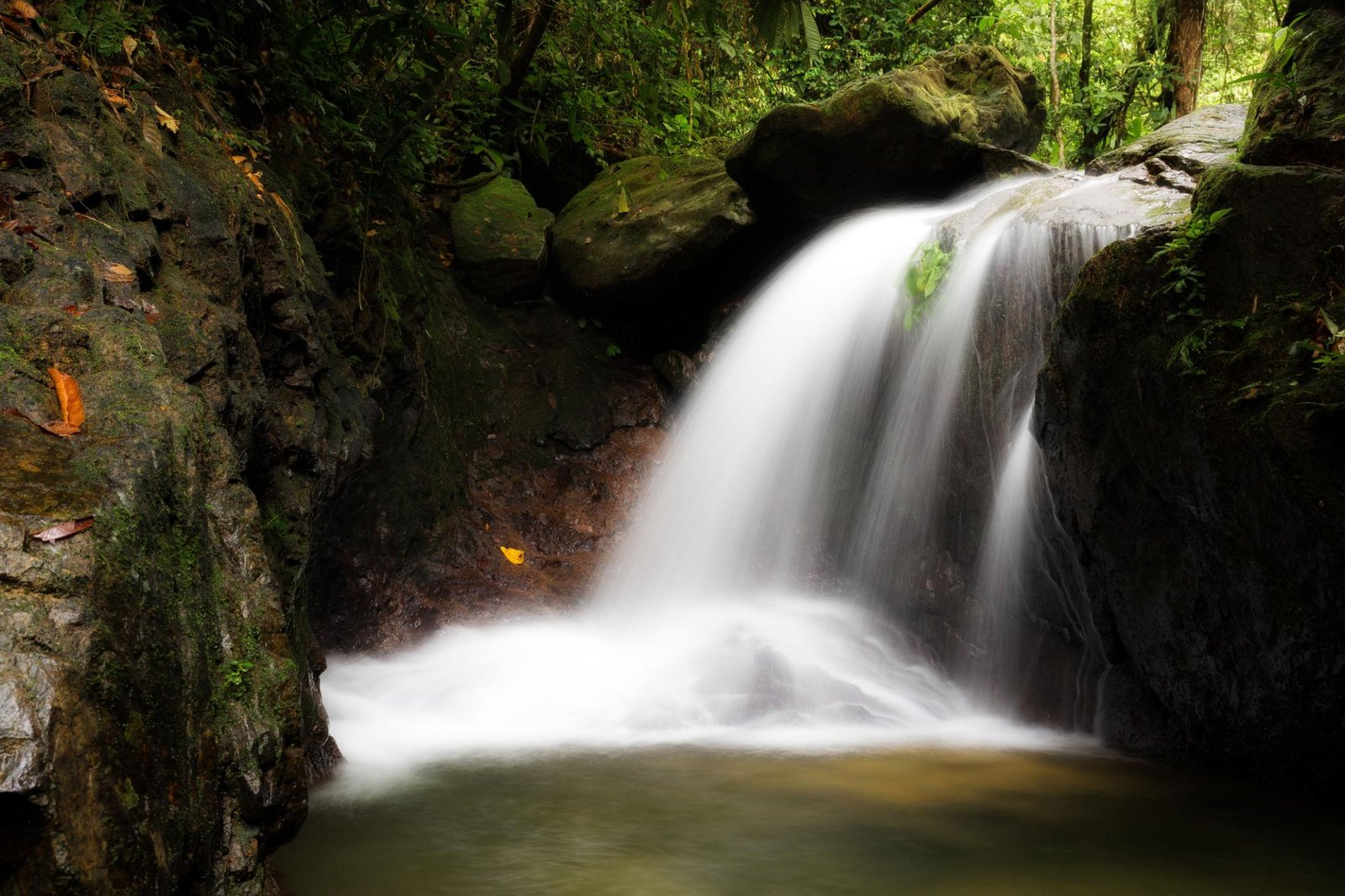
The forest around Bukit Lawang contains streams, small cascades, and natural features that can be explored on selected guided routes. These outings offer a different perspective from orangutan trekking, focusing on the landscape, vegetation, and water systems of the rainforest.
Some routes may involve steep or slippery ground, river crossings, or longer walks. Accessibility changes with weather, and not every location is suitable for young children or travellers with limited mobility.
If visiting a waterfall is important to you, ask your guide or accommodation which locations are currently accessible and how much walking is required.
Discover Bukit Lawang village and local culture
Bukit Lawang is more than a gateway to the forest. It is a living village where local residents, guides, guesthouse owners, drivers, restaurant workers, and small businesses contribute to the visitor experience.
Walking through the village gives travellers a chance to see daily life at a slower pace. You may find small shops, cafés, local eateries, guesthouses, and businesses arranging guided outdoor activities.
What to experience in the village
-
Walk along the village streets and riverbanks.
-
Meet local guides and learn about their work.
-
Try Indonesian food and locally prepared dishes.
-
Visit small shops and support local businesses.
-
Ask about the area’s history and conservation efforts.
-
Enjoy the relaxed atmosphere of the riverside community.
Please remember that this is a residential community, not simply a tourist attraction. Ask permission before photographing people or private property, and be considerate of residents when walking through quieter areas.
How to get to Bukit Lawang
Bukit Lawang is commonly reached by road from Medan or Kualanamu International Airport. The journey generally takes around three to four hours, although traffic, weather, roadworks, and your pickup location can affect the travel time.
From Medan
A private car with a driver is one of the most convenient choices, particularly for families, couples, and travellers carrying trekking luggage.
Shared transport and public transport options may also be available for parts of the journey, but they can involve transfers and longer travel times. Confirm current services before relying on them.
From Kualanamu International Airport
If you are arriving on an international or domestic flight, you can arrange a direct transfer to Bukit Lawang or travel via Medan.
When arranging your transfer, confirm:
-
The pickup location and departure time.
-
The total price and what it includes.
-
Expected journey time.
-
Luggage space and passenger capacity.
-
Whether the driver will take you directly to your accommodation.
-
Your onward transport arrangements after the visit.
If possible, arrive during daylight so you have time to check in, settle into your accommodation, and prepare for your trek.
Frequently asked questions about Bukit Lawang
Is Bukit Lawang worth visiting?
- Yes. It is an excellent destination for travellers interested in tropical rainforest, guided wildlife observation, orangutans, river scenery, and community-based tourism.
How many days should I spend in Bukit Lawang?
- Two nights is a good starting point for many visitors. It provides time to arrive, take a jungle trek, and enjoy the village. Three or more nights are ideal if you want a multi-day expedition or a slower pace.
Can I see wild orangutans?
- Bukit Lawang is known for opportunities to observe Sumatran orangutans in the rainforest, but sightings are never guaranteed. Choose a responsible guide and follow wildlife-viewing rules.
Is jungle trekking difficult?
- Difficulty depends on the route and duration. Trails may be steep, muddy, and slippery, even on shorter treks. Tell your guide about your fitness level before choosing an itinerary.
Can children visit Bukit Lawang?
- Yes, families can enjoy the village and selected nature activities. Choose routes suitable for the child’s age and ability, and ask the operator about minimum ages and safety requirements.
Can I visit without trekking?
- Yes. You can relax beside the river, explore the village, enjoy local restaurants, and take short walks. Some forest attractions may still require a guide or special access arrangements.
Is river tubing always available?
- No. It depends on river conditions and the operator’s safety assessment. High water levels and strong currents can make tubing unsafe.
Do I need a guide for jungle trekking?
- A qualified local guide is strongly recommended. Confirm the current national park entry rules, permits, and guide requirements before your trip.
Can I combine Bukit Lawang and Tangkahan?
- Yes. Both are popular nature destinations in Langkat Regency. You can combine them in a multi-day itinerary, but plan transport and overnight stays carefully rather than assuming the journey between them will be quick.
Frequently asked questions about Bukit Lawang
Bukit Lawang is a destination where adventure and nature come together. From searching for orangutans in the rainforest to relaxing beside the Bohorok River, the village offers an opportunity to experience a remarkable part of North Sumatra at a slower pace.
Spend time with local guides, learn about the forest and its wildlife, discover the village, and choose activities that respect the natural environment. Whether you stay for a short visit or embark on a multi-day trek, the experience can become one of the highlights of your journey through Indonesia.
Come to Bukit Lawang to explore the rainforest, discover wild orangutans, experience the river, and connect with the natural heart of Sumatra