
Wonderful of Berastagi Highland
Discover the refreshing beauty of Berastagi Highlands, one of North Sumatra’s most attractive mountain destinations. Surrounded by green agricultural landscapes, volcanic mountains, traditional Karo villages, and fertile farmland, Berastagi offers a wonderful combination of natural scenery, cultural experiences, fresh local produce, and outdoor adventures.
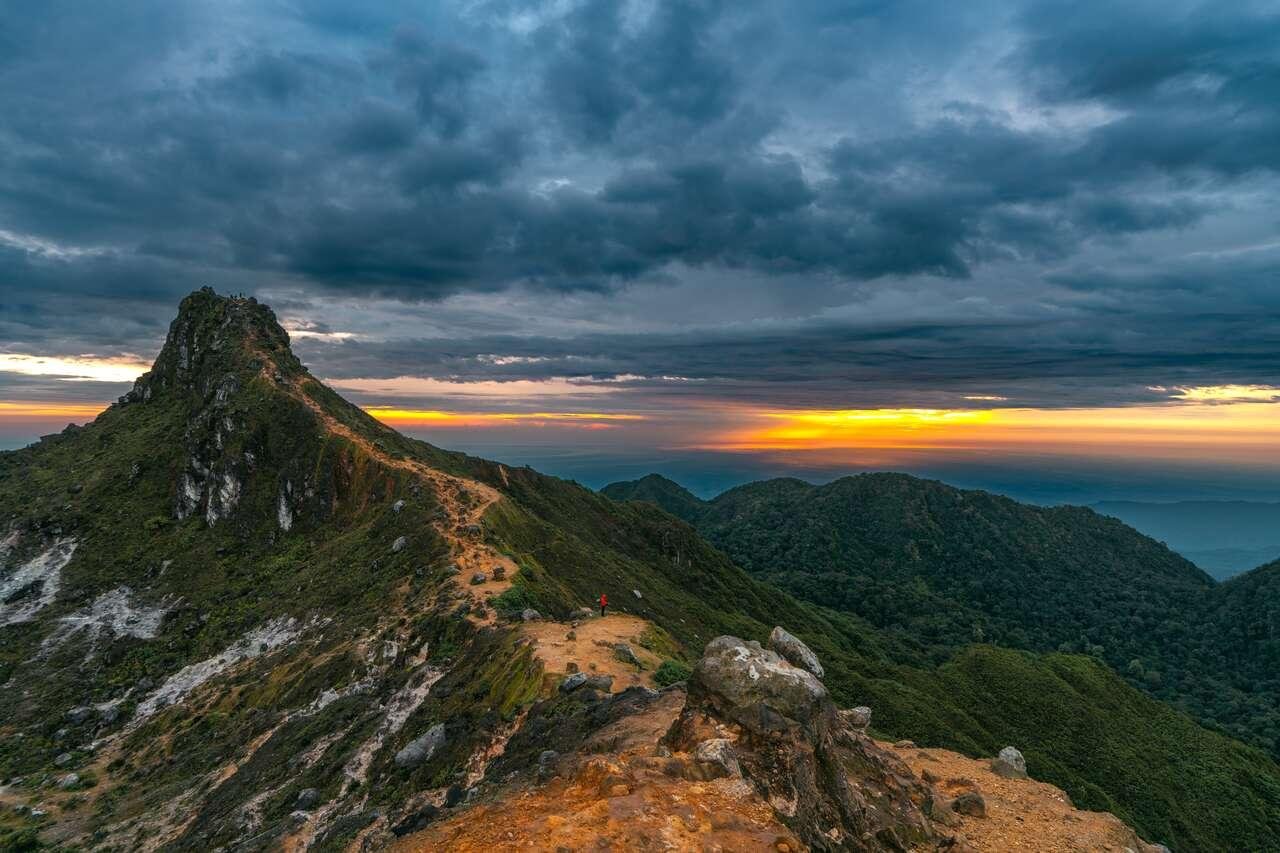
Located in the Karo Highlands of North Sumatra, Indonesia, Berastagi is a popular destination for travelers seeking a cooler climate and a peaceful escape from the tropical heat of the lowlands. Its scenic mountain roads, colorful fruit markets, flower gardens, and spectacular views of Mount Sibayak and Mount Sinabung make it an excellent addition to a Sumatra travel itinerary.
Whether you are traveling from Medan, exploring the cultural heritage of the Karo Batak people, hiking an active volcano, or continuing your journey toward Lake Toba, Berastagi provides an unforgettable introduction to the highland landscapes of northern Sumatra.
Introduction to Berastagi Highlands
Berastagi, also spelled Brastagi, is a highland town in Karo Regency, North Sumatra, approximately 1,300 metres above sea level. Its elevated location gives it a noticeably cooler climate than Medan and many other lowland destinations in the region.
The surrounding countryside is famous for its fertile volcanic soil, which supports the cultivation of vegetables, fruits, flowers, and other agricultural products. Visitors can enjoy beautiful views of cultivated hillsides, mountain slopes, traditional settlements, and lush tropical vegetation.
Berastagi is particularly well known for its proximity to two prominent volcanoes:
-
Mount Sibayak: A popular hiking destination offering volcanic landscapes, crater views, and, on clear days, expansive highland panoramas.
-
Mount Sinabung: A striking volcano that dominates parts of the surrounding landscape. Because it remains an active volcano with a history of significant eruptions, access to nearby areas must follow current official safety restrictions.
Beyond its natural attractions, Berastagi is an important centre of Karo culture. Local traditions, distinctive traditional houses, regional cuisine, and agricultural markets provide opportunities to learn about the people who have lived in these highlands for generations.
For international visitors, Berastagi is much more than a mountain town. It is a destination where nature, agriculture, culture, and adventure come together.
Berastagi Weather and Best Time to Visit Berastagi
Berastagi generally enjoys cooler conditions than the lowlands of North Sumatra because of its elevation, approximately 1,300 metres above sea level. The atmosphere can feel refreshing during the day, while evenings and early mornings may be chilly.
Conditions are tropical and can change quickly. Rain, cloud cover, and mist can affect visibility, hiking conditions, and mountain views.
What is the best time to visit?
Berastagi can be visited throughout the year. The most suitable period depends on your interests and willingness to adapt to the weather.
-
For mountain views: Aim for clear mornings, when distant peaks are more likely to be visible.
-
For hiking Mount Sibayak: Choose a period with suitable trail conditions and check forecasts and official safety information.
-
For agricultural experiences: Ask local operators which crops are in season during your visit.
-
For photography: Early morning and late afternoon can provide attractive light, although cloud cover is unpredictable.
Rather than relying on a guaranteed dry season, plan for changing weather and keep your schedule flexible.
What should you pack?
Bring a light jacket or fleece, comfortable walking shoes, rain protection, sunscreen, insect repellent, and a small daypack. For mountain hiking, bring warmer layers, a headlamp if starting before sunrise, sufficient drinking water, and suitable footwear.
Location and How to Reach Berastagi
Berastagi is situated in Karo Regency, about 65–70 kilometres southwest of Medan by road, depending on the starting point and route.
Its location makes it a convenient destination for travelers arriving at Kualanamu International Airport or staying in Medan before continuing into the mountains.
Medan – Berastagi: 2-3 Hours
Kuala Namu International Airport – Berastagi : 3-4 Hours
Bukit Lawang to Berastagi : 5-6 Hours
Parapat to Berasatagi : 3-4 hours
Travel times are estimates and may vary significantly with traffic, road conditions, weather, and transport arrangements.
Visitors can reach Berastagi by private car, driver-guided tour, shared transport, or public minibus. For travelers who want to explore several attractions along the way, a private vehicle offers greater flexibility.
A particularly rewarding North Sumatra itinerary combines Medan, Berastagi, Bukit Lawang, and Lake Toba, allowing travelers to experience rainforest wildlife, volcanic highlands, local culture, and spectacular lake scenery in one journey.
The Natural Beauty of the Karo Highlands
The beauty of Berastagi lies not only in its individual attractions but also in the surrounding highland environment.
The Karo Highlands are characterized by rolling agricultural land, volcanic mountain scenery, fertile valleys, and a patchwork of farms and villages. As visitors travel through the countryside, they can observe the close relationship between the local population and the land.
Volcanic landscapes
The region’s volcanic origins have shaped its dramatic scenery and agricultural productivity. Mount Sibayak is especially accessible to visitors seeking an introduction to volcanic terrain, while Mount Sinabung forms an imposing feature of the wider landscape.
Fertile farmland
Vegetable fields, fruit orchards, flower gardens, and cultivated hillsides are common sights around Berastagi. Depending on the season, the countryside may display fresh green crops, flowering plants, and busy harvesting activity.
Mountain atmosphere
Clouds and mist frequently move across the highlands, creating changing views throughout the day. Clear mornings are often best for distant mountain panoramas, while afternoons can bring cloud cover or rain.
Rural scenery
Traveling through the surrounding villages offers glimpses of daily life, including farming, local markets, and traditional settlements. These experiences add cultural depth to a trip that might otherwise focus only on viewpoints and volcanoes.
Best Things to Do in Berastagi Highlands
Gundaling Hill is one of Berastagi’s best-known viewpoints and a wonderful place to appreciate the beauty of the Karo Highlands. From its elevated position, visitors can enjoy sweeping views of the surrounding countryside, agricultural fields, and the region’s famous volcanic peaks when weather conditions are clear.
The hill is particularly attractive for photography, relaxed walks, and enjoying the fresh mountain air. Early mornings often provide beautiful light and a peaceful atmosphere, while late afternoons can offer dramatic clouds and changing colors across the landscape.
Visitors may also encounter local vendors and traditional horse rides in the surrounding tourist area.
SUNRISE TOUR to Mount Sibayak
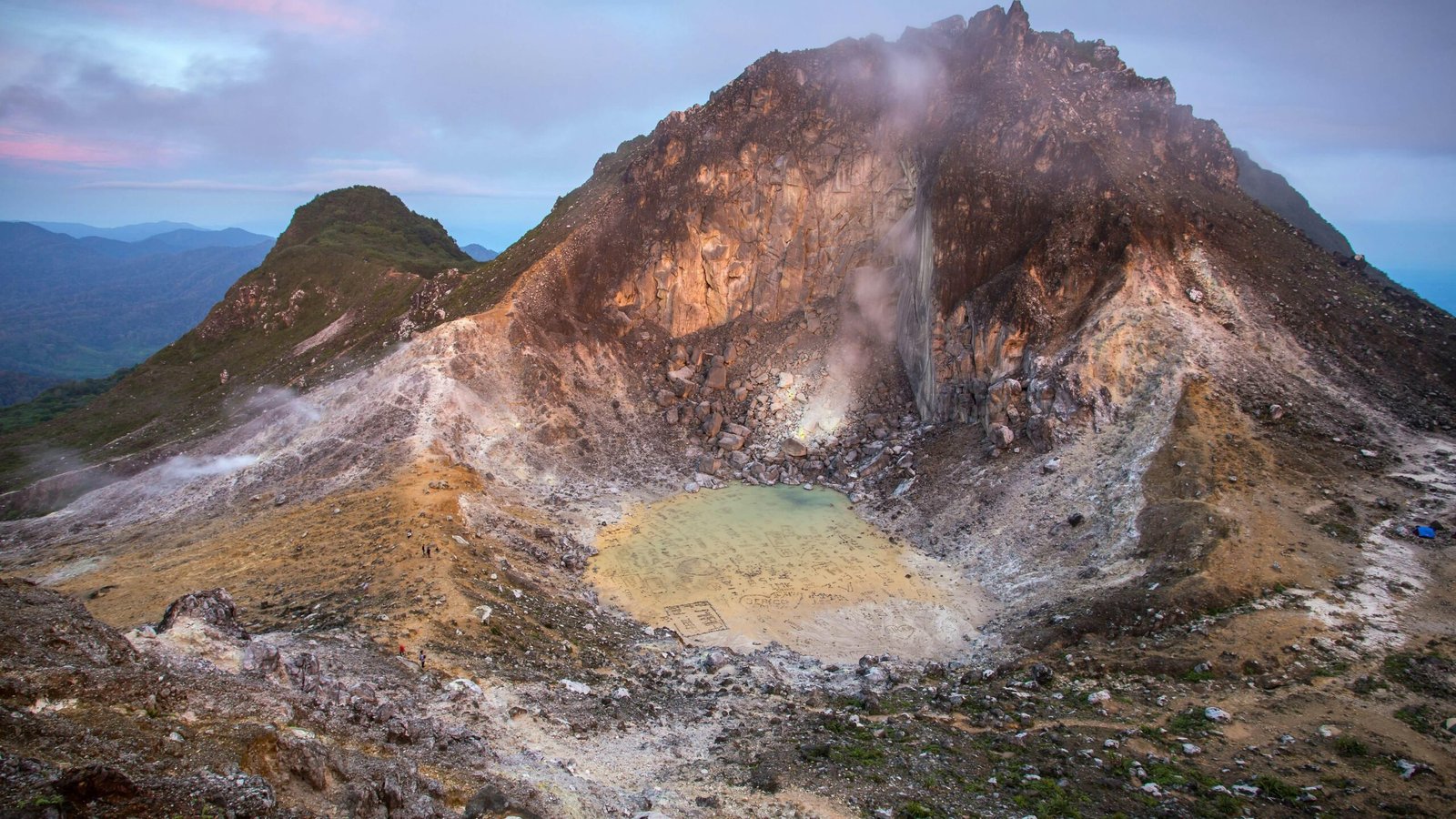
Mount Sibayak is one of the most rewarding outdoor attractions near Berastagi. Rising approximately 2,212 metres above sea level, this volcano offers a memorable opportunity to explore the dramatic geological landscapes of Sumatra.
The hike takes visitors through mountain trails and rocky terrain before reaching an exposed volcanic environment characterized by steaming vents, sulfur deposits, and impressive crater scenery.
For many travelers, the highlight is a sunrise ascent. Starting before dawn allows hikers to experience the changing colors of the sky as the sun rises over the highlands. On clear mornings, the views may extend across the surrounding valleys toward Mount Sinabung.
The difficulty depends on the route, weather, and trail conditions. Although Sibayak is often considered accessible to reasonably fit beginners, the terrain can be slippery, uneven, and exposed.
Travel advice: Hire a knowledgeable local guide, wear proper hiking shoes, bring warm clothing and a headlamp for early starts, and check current volcanic and weather advisories before departure. Stay away from hazardous fumaroles and follow all local instructions.
Explore Pasar Buah Berastagi
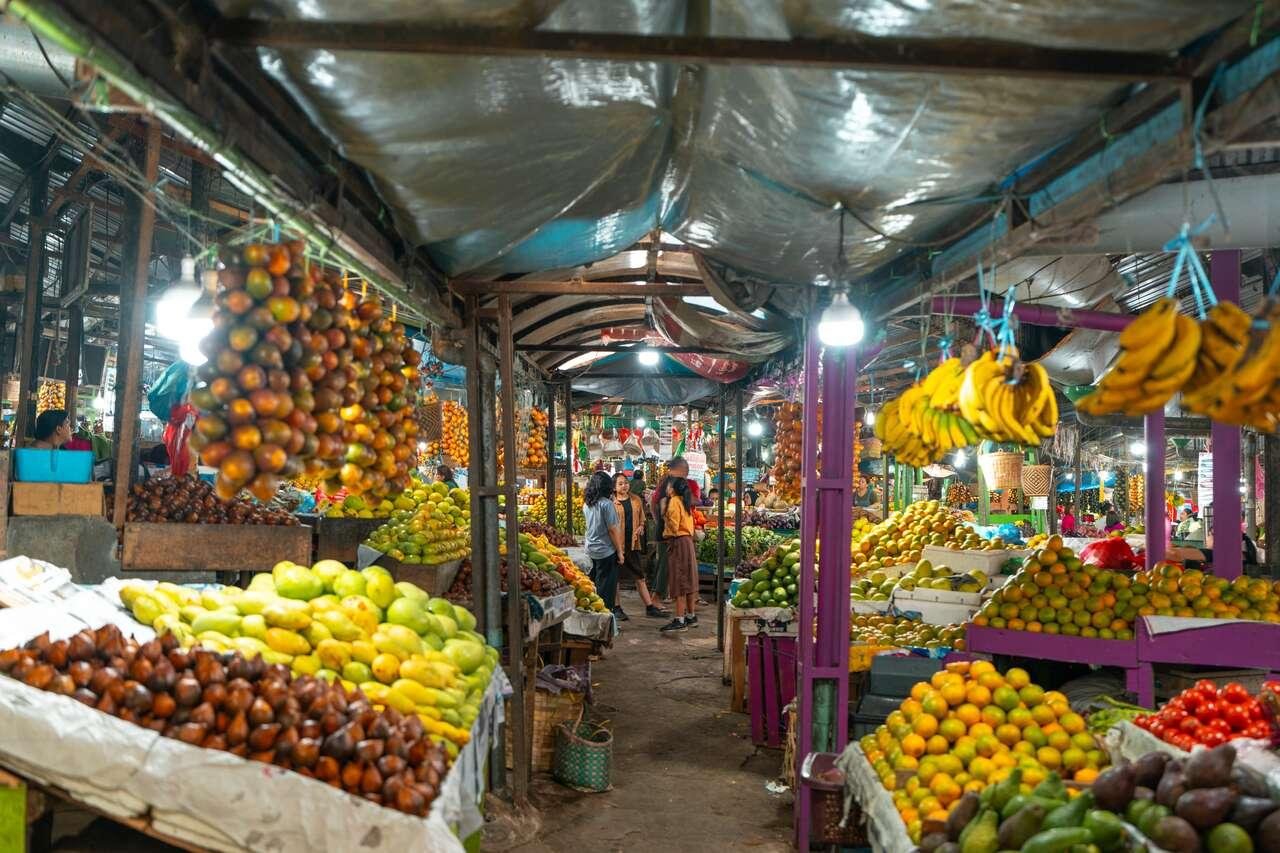
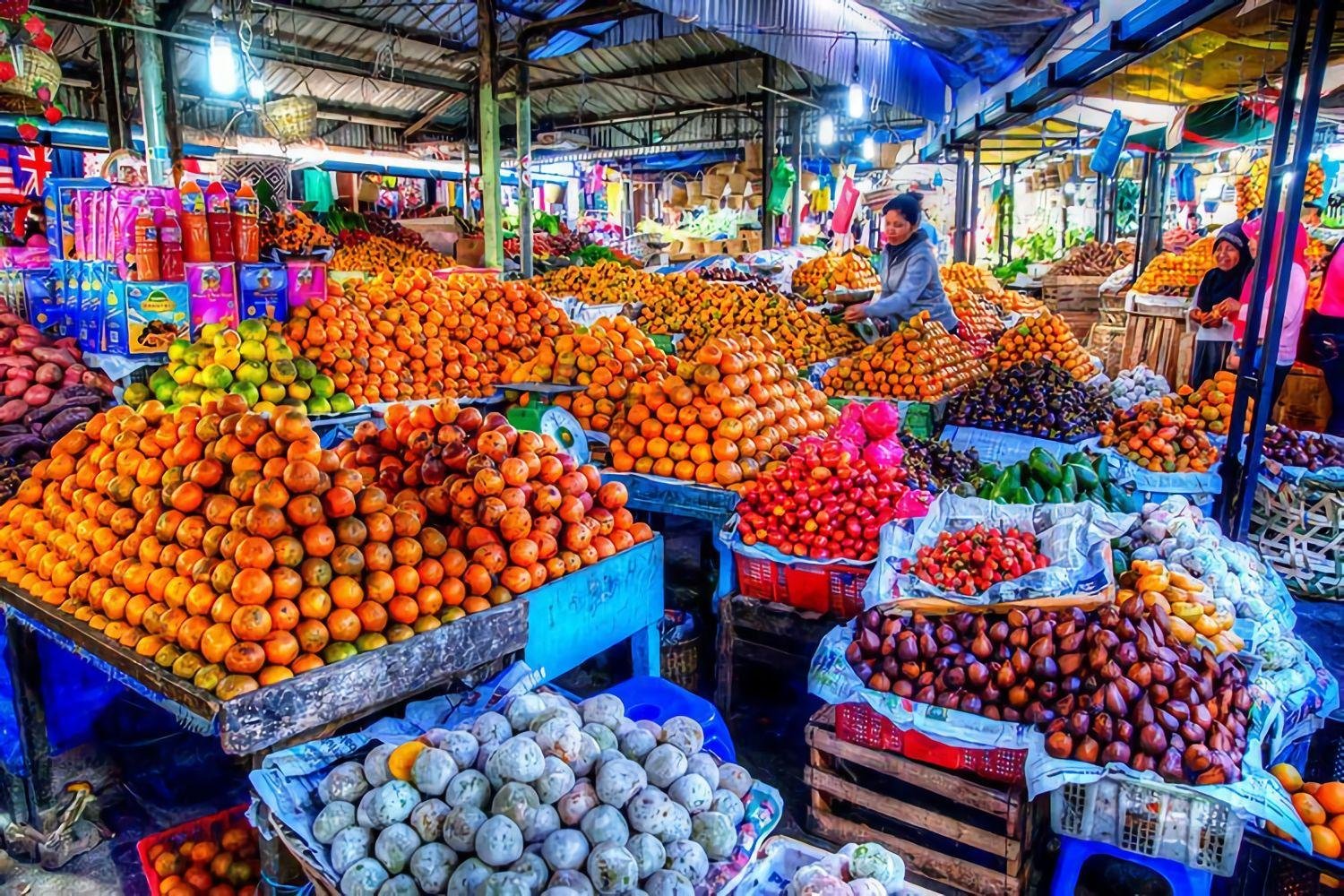
No visit to Berastagi is complete without exploring its lively fruit market. The market reflects the agricultural richness of the surrounding highlands, where fertile volcanic soils and favorable growing conditions support a wide variety of produce.
Stalls display colorful selections of oranges, passion fruit, avocados, maracuyá, vegetables, flowers, and seasonal fruits. Strawberries and other locally grown produce are also popular with visitors.
The market is a great place to sample unfamiliar tropical fruits, purchase fresh snacks for the road, and observe everyday life in the town.
Travelers can also find flowers, souvenirs, local snacks, and other regional products. Bargaining may be appropriate at some stalls, but it is best to remain polite and respect local vendors.
Recommended experience: Visit in the morning or during the day, when you can browse the produce and interact with sellers at a relaxed pace.
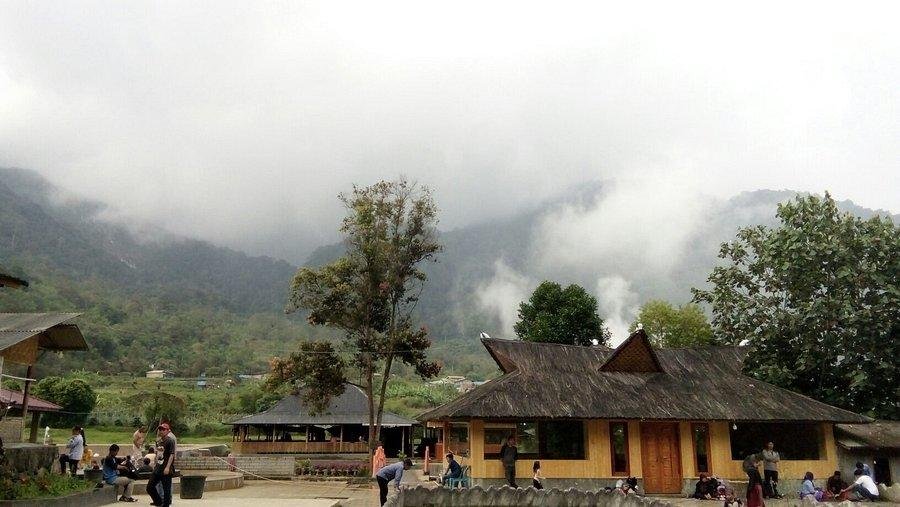
Lau Debuk-Debuk Hot Springs
Located near the foothills of Mount Sibayak, the Lau Debuk-Debuk area is known for its geothermal waters and hot spring bathing pools.
After hiking through volcanic terrain or spending a day exploring the highlands, visitors can enjoy a relaxing soak in the warm water. The area offers a glimpse of the geothermal activity that shapes the landscape around Berastagi.
Facilities vary between bathing locations, and the experience is generally more local and informal than a luxury spa.
Travel tip: Check the temperature before entering, avoid excessively hot pools, and follow posted safety instructions. Visitors with medical conditions that may be affected by heat should seek appropriate medical advice before bathing.
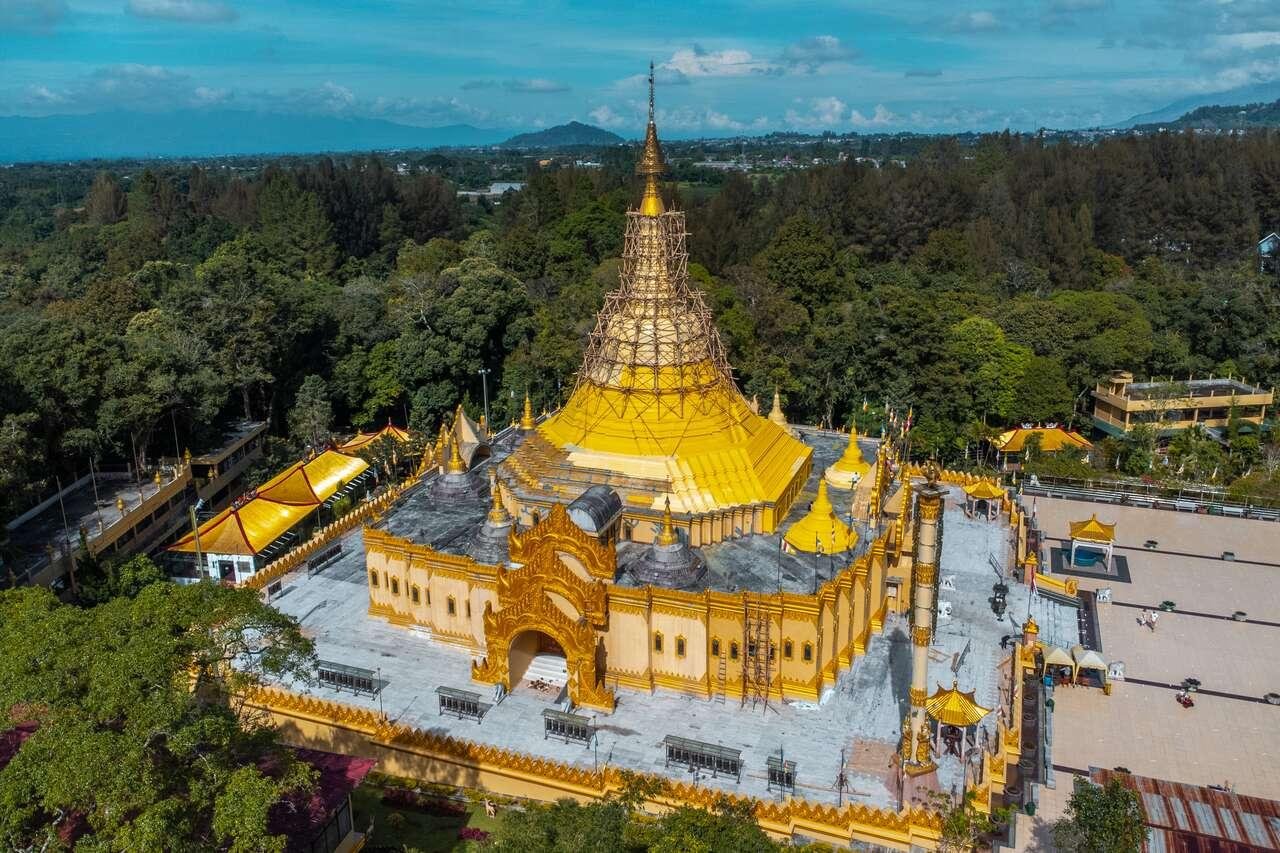
Discover Taman Alam Lumbini
Taman Alam Lumbini is a striking Buddhist religious and cultural attraction in the Berastagi area. Its golden pagoda-inspired architecture stands out against the surrounding greenery, creating an unusual contrast with the region’s volcanic mountains and agricultural landscapes.
Visitors can admire the architecture, stroll through the landscaped grounds, and enjoy a peaceful atmosphere away from the busy town center.
The site is also an opportunity to appreciate the diversity of religious and cultural traditions in North Sumatra.
Please dress respectfully, observe any photography restrictions, and check current visiting hours before arriving
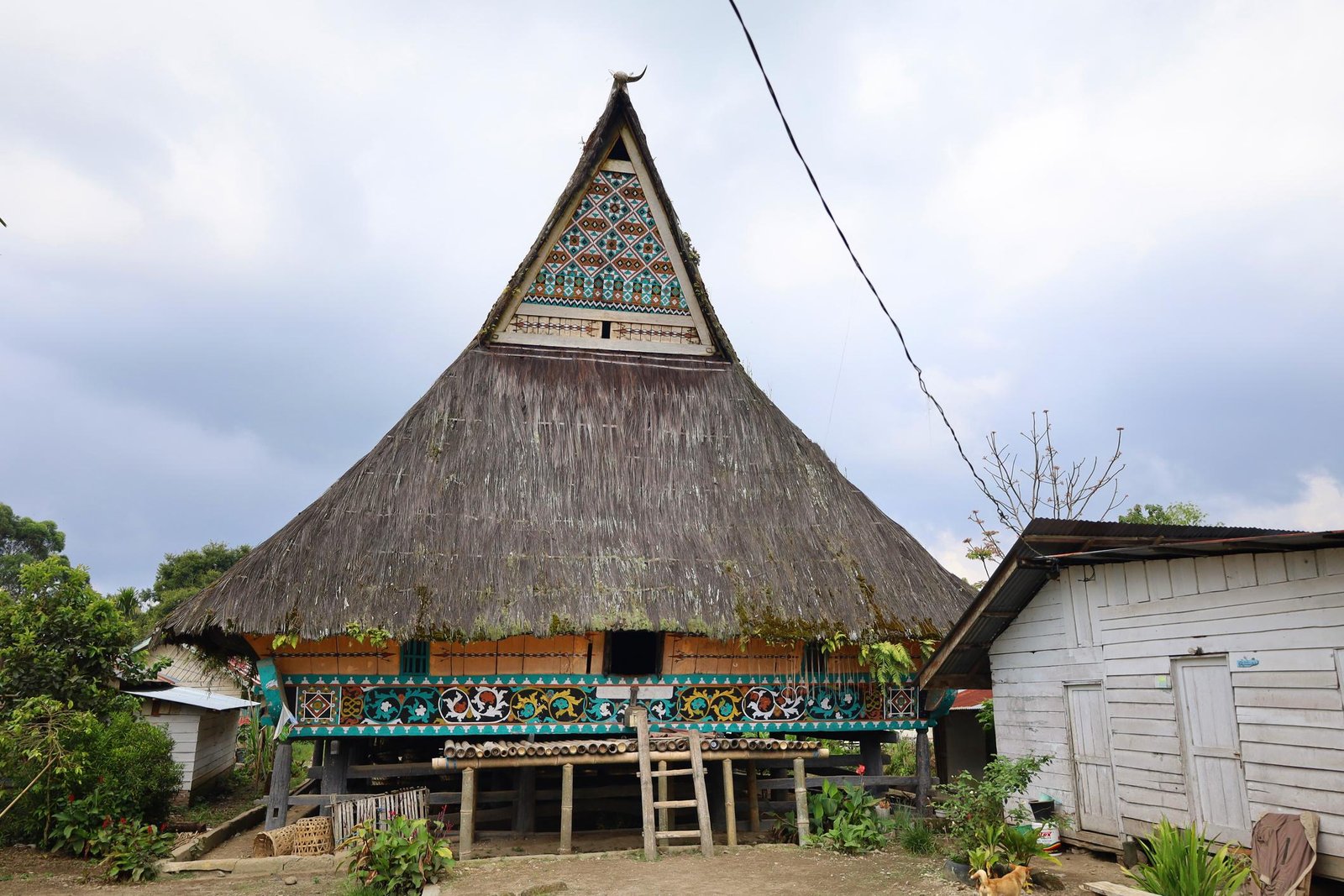
Traditional Karo Lingga Cultural Village
For travelers interested in local heritage, Lingga offers an opportunity to learn about the traditional architecture and cultural identity of the Karo people.
Traditional Karo houses are notable for their distinctive rooflines, wooden construction, decorative details, and communal significance. Historically, some of these buildings accommodated multiple related families, reflecting the importance of kinship and community life.
A visit to a traditional village can reveal how local architecture developed in response to the highland climate, available materials, family structures, and cultural traditions.
Travelers should approach village visits respectfully, ask permission before photographing residents or private homes, and consider hiring a local guide who can explain the history and significance of what they see.
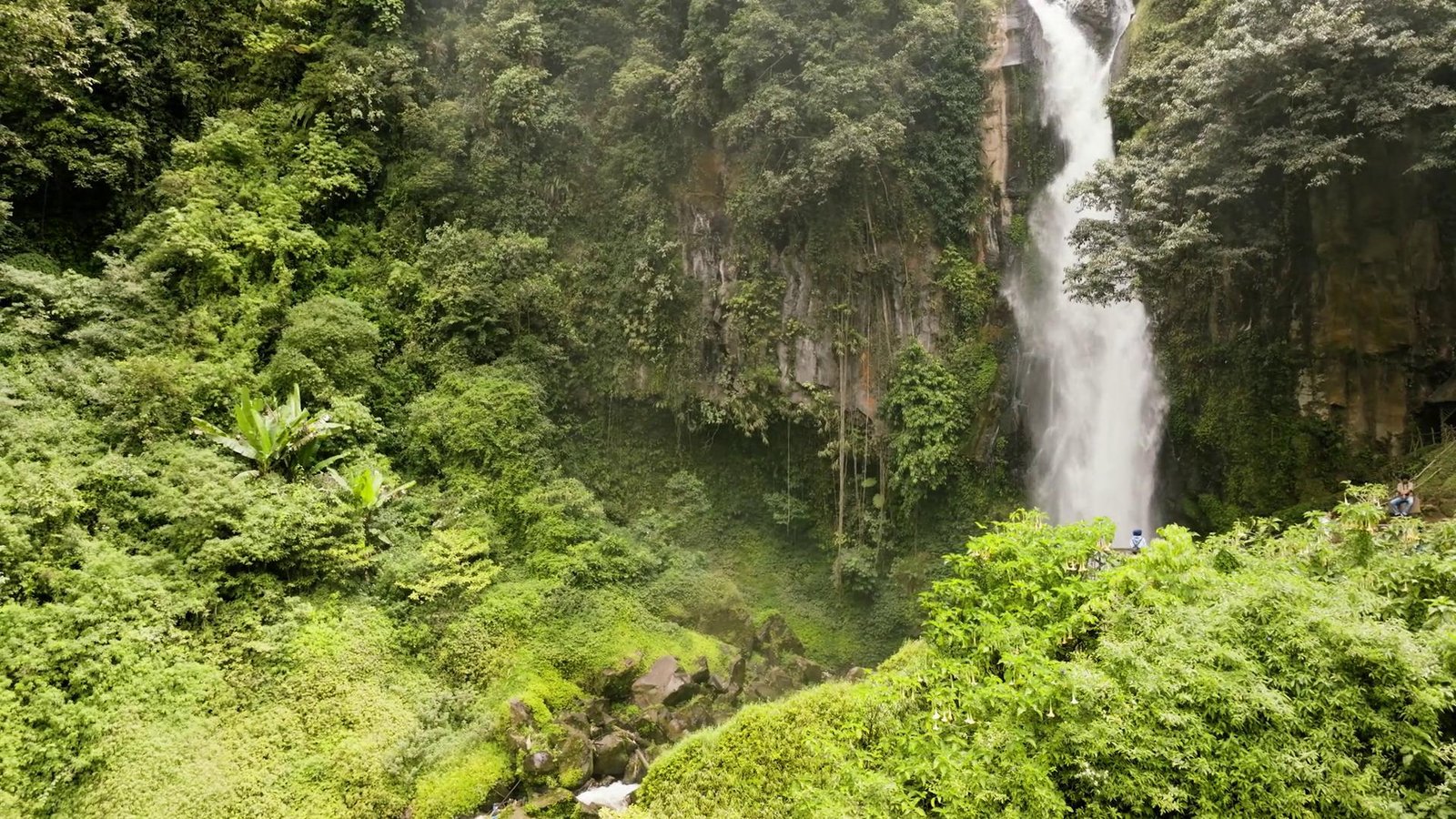
Sikulikap Waterfall
For those who want to explore beyond Berastagi’s agricultural landscapes, Sikulikap Waterfall offers a refreshing rainforest experience in the wider highland region.
The waterfall descends through a lush forested setting, where steep rock faces, tropical vegetation, and the sound of flowing water create a peaceful natural atmosphere.
The visit may involve walking along forest trails and uneven ground. After rainfall, paths can become slippery, so sturdy footwear is recommended.
Sikulikap is a worthwhile addition for nature lovers who want to combine mountain scenery with a short forest excursion.
Karo Culture and Local Traditions
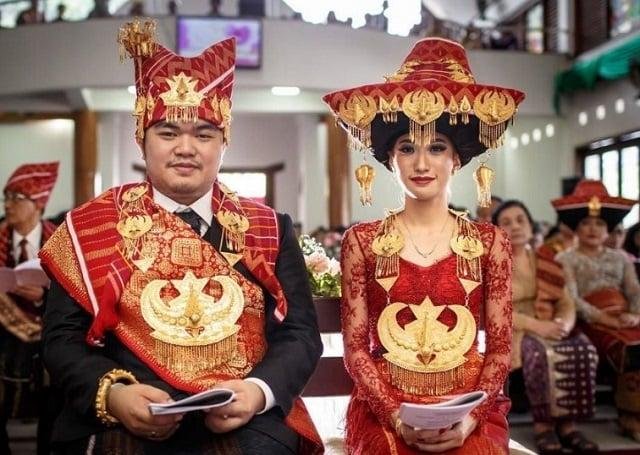
Berastagi is part of the homeland of the Karo people. Their cultural traditions are expressed through language, architecture, family relationships, ceremonies, music, clothing, and food.
Learning about Karo culture can make a visit to the highlands more meaningful by providing a deeper understanding of the communities that maintain the region’s traditions.
Traditional architecture
Traditional Karo houses, known for their distinctive roofs and intricate wooden construction, are important examples of local architectural heritage. Some surviving structures have historical and cultural significance and are best visited with a knowledgeable local guide.
Traditional textiles
Uis Gara and other Karo textiles are associated with traditional clothing and ceremonial occasions. Their colors, patterns, and uses can reflect cultural identity and social customs.
Music and dance
Traditional music and dance play roles in cultural celebrations and community events. Visitors may encounter performances during local festivals or organized cultural experiences, depending on the time of year.
Community life
Agriculture remains an important part of the local economy, and markets provide an accessible way to observe everyday interactions. Travelers can support local communities by buying regional produce and handicrafts and using local guides.
Traditional Food and Highland Cuisine
Berastagi offers a varied food experience influenced by Karo culinary traditions and the broader cuisine of North Sumatra.
Fresh vegetables, fruits, rice, herbs, spices, grilled foods, and regional dishes are common features of local dining.
Some dishes travelers may encounter include:
-
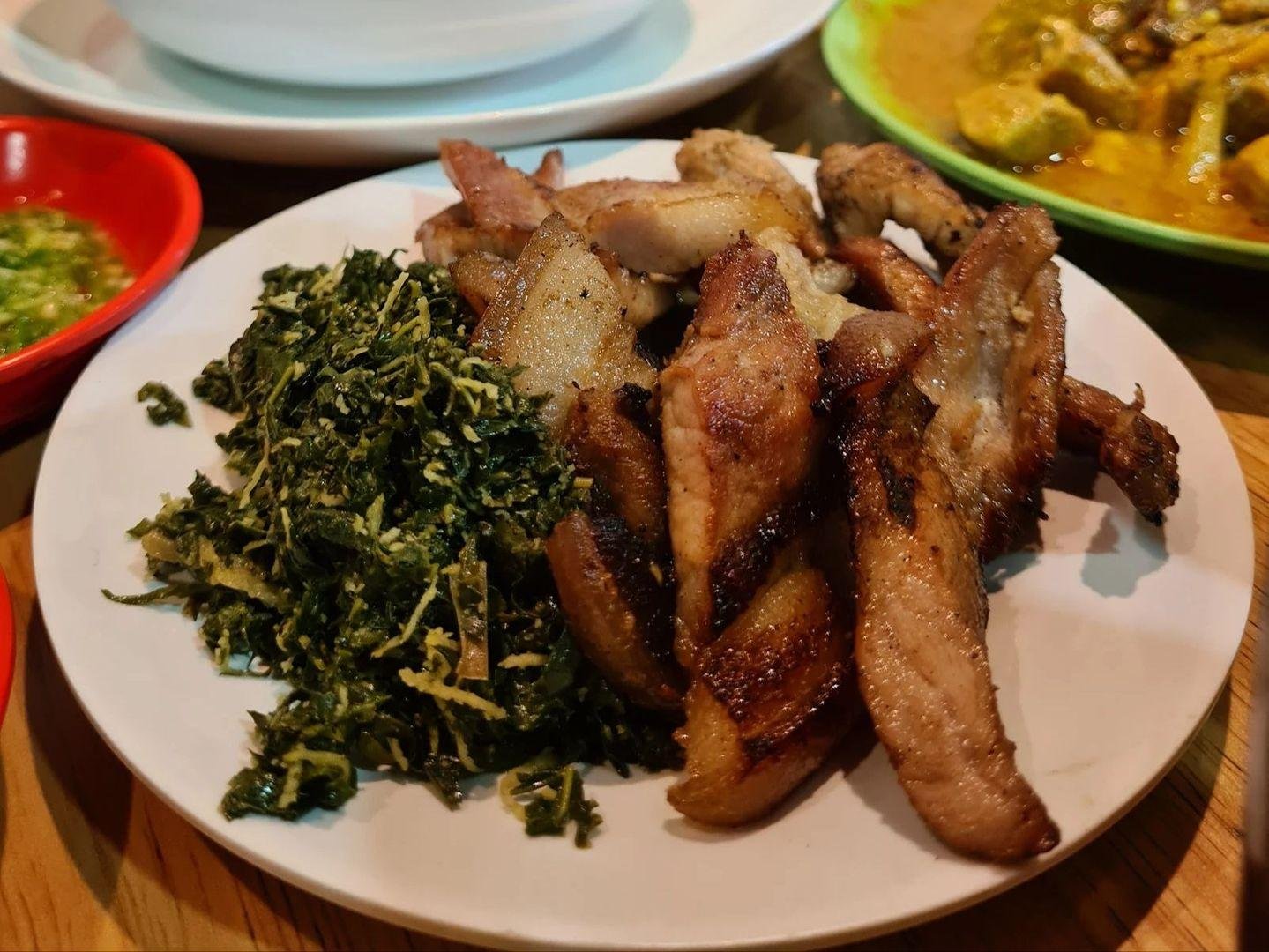
Babi Panggang Karo: A traditional Karo-style grilled pork dish. It is not suitable for visitors who avoid pork.
-
Arsik: A well-known Batak fish preparation, traditionally seasoned with aromatic herbs and spices.
-
Naniura: A traditional Batak fish dish prepared without conventional cooking by heat; recipes and preparation methods vary.
-
Fresh highland vegetables: Often served with rice and a range of Indonesian side dishes.
-
Seasonal fruits: Oranges, passion fruit, avocados, strawberries, and other locally available produce.
Restaurants and food stalls may also serve familiar Indonesian dishes such as nasi goreng, mie goreng, grilled chicken, soups, and vegetable dishes.
Visitors with dietary restrictions should ask about ingredients, cooking methods, and possible cross-contamination. Travelers who eat halal, vegetarian, vegan, or other specialized diets should confirm availability with individual restaurants.