
Best time to visit Sumatra
Sumatra has a tropical climate, and rain can occur throughout the year. There is no single month that guarantees dry weather across the whole island.
|
Season or condition |
What to expect |
|---|---|
|
Relatively drier periods |
Often better for hiking and outdoor activities, but rainfall is still possible. |
|
Wetter periods |
Lush landscapes, muddy trails, slippery paths and possible river flooding. |
|
Highland areas |
Cooler temperatures, particularly in the evenings and early mornings. |
|
Lowland rainforest |
Warm, humid conditions throughout the year. |
My advice: Plan flexible travel dates, particularly if your main activities are jungle trekking, volcano hiking or boat trips. Check the local forecast shortly before travelling.
For Bukit Lawang, a good operator will adjust trekking routes and river activities to current conditions rather than promise that every activity will run as planned.
Traditional Local Dishes
North Sumatra has a rich food culture shaped by Karo, Batak, Malay, Chinese-Indonesian and other regional traditions.
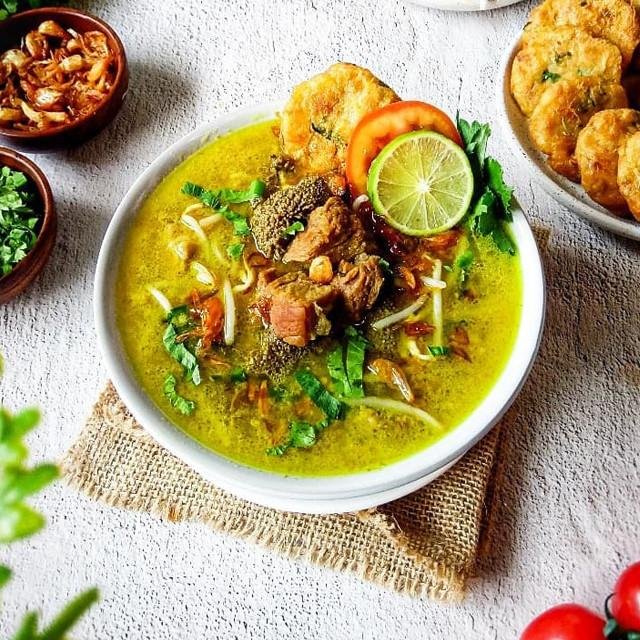
Soto Medan: A fragrant regional soup often made with a rich, spiced broth.
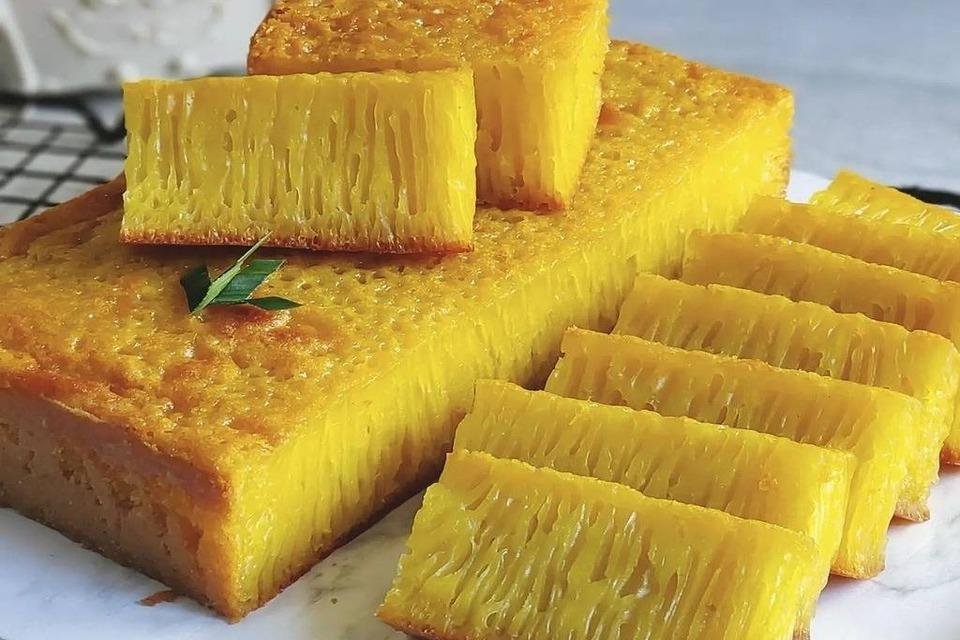
Bika Ambon: A well-known Medan cake with a distinctive honeycomb-like texture.
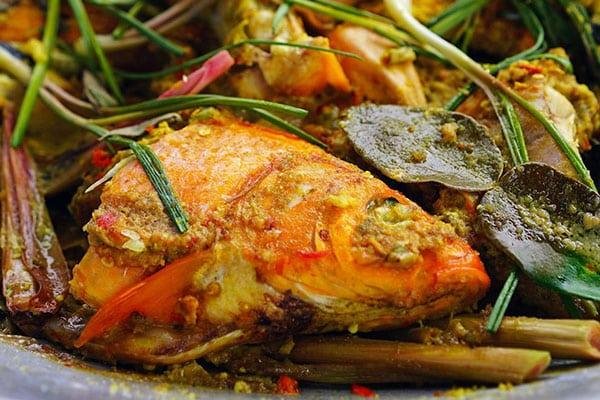
Arsik: A traditional Batak fish dish with aromatic regional spices.
Nasi goreng: Indonesian fried rice, available in many variations.
Mie goreng: Fried noodles with vegetables and optional meat or seafood.
Fresh tropical fruit: Depending on the season, you may find bananas, papaya, pineapple, passion fruit and more.
BPK: Bapi Panggang Karo, it is a karonese traditional Pork Grilled Dish. Serve with rice, pork soup, grilled sliced pork meat and served the special sauces
Indonesian coffee: North Sumatra is well known for coffee-growing regions, including areas associated with Mandheling coffee.
Money, mobile internet and everyday costs
Currency
Indonesia uses the Indonesian rupiah (IDR). Keep some cash available for rural transport, small shops, village purchases and tips where appropriate.
ATMs and payments
ATMs and card payments are more readily available in larger towns than in remote villages. Carry a reasonable amount of cash without displaying large sums, and use secure ATMs.
SIM cards and internet
Mobile coverage is generally better in cities and established tourist areas. Signal can be limited in remote rainforest, mountain and rural locations.
Visitors should check current SIM registration requirements and available data packages with official mobile providers. Download maps, booking details and important documents before travelling into areas with limited coverage
Budget planning
Your overall budget depends on accommodation standards, transport, guide services, trek duration, park fees, food and the number of destinations you visit.
Plan separately for:
-
Accommodation.
-
Intercity transport and local transfers.
-
Guided activities and any applicable park permits.
-
Meals and drinking water.
-
Boat transfers and entrance fees.
-
Travel insurance and emergency funds.
Ask tour providers to specify what is included in the quoted price. For jungle trekking, confirm whether guide fees, meals, camping equipment, national park permits and river transport are included.
Local culture and responsible travel
North Sumatra is home to diverse communities, languages and religious traditions. Visitors can learn a great deal by approaching local customs with curiosity and respect.
Good travel etiquette
-
Dress appropriately when visiting religious or ceremonial sites.
-
Ask permission before taking photographs of people or private property.
-
Greet people politely and learn a few Indonesian phrases.
-
Respect local customs, family privacy and community rules.
-
Purchase crafts and services directly from local makers when possible.
-
Avoid littering and reduce unnecessary single-use plastics.
-
Ask before entering private land or village areas.
In Batak communities, traditional houses, music, textiles and family heritage are important cultural features. A local guide can help explain their significance rather than leaving visitors to interpret them from appearances alone.
Responsible wildlife tourism
Sumatra’s forests are ecologically important, but they face pressures from habitat loss, land-use change and other human activities. Responsible tourism can help support local livelihoods and conservation awareness.
Choose guides and operators who prioritize wildlife welfare, comply with protected-area rules and minimize environmental impact. Never buy products made from protected wildlife or encourage interactions that involve feeding, touching or chasing wild animals.
Common travel mistakes to avoid
-
Underestimating travel times. Distances can look short on a map, but mountain roads, traffic and weather can make journeys slow.
-
Trying to see everything too quickly. Leave time to enjoy the rainforest, villages and lake landscapes.
-
Expecting guaranteed orangutan sightings. Wildlife is unpredictable, and responsible guides do not promise specific encounters.
-
Packing only for hot weather. Rainforest rain and cool highland evenings call for extra layers.
-
Ignoring weather and volcanic advisories. Check conditions before trekking, hiking or taking boat trips.
-
Booking tours without checking inclusions. Clarify permits, meals, accommodation, transfers and safety equipment in advance.
-
Relying entirely on mobile internet. Save key addresses, maps and bookings offline.
-
Treating local culture as a photo opportunity. Be considerate, ask permission and engage respectfully with communities.